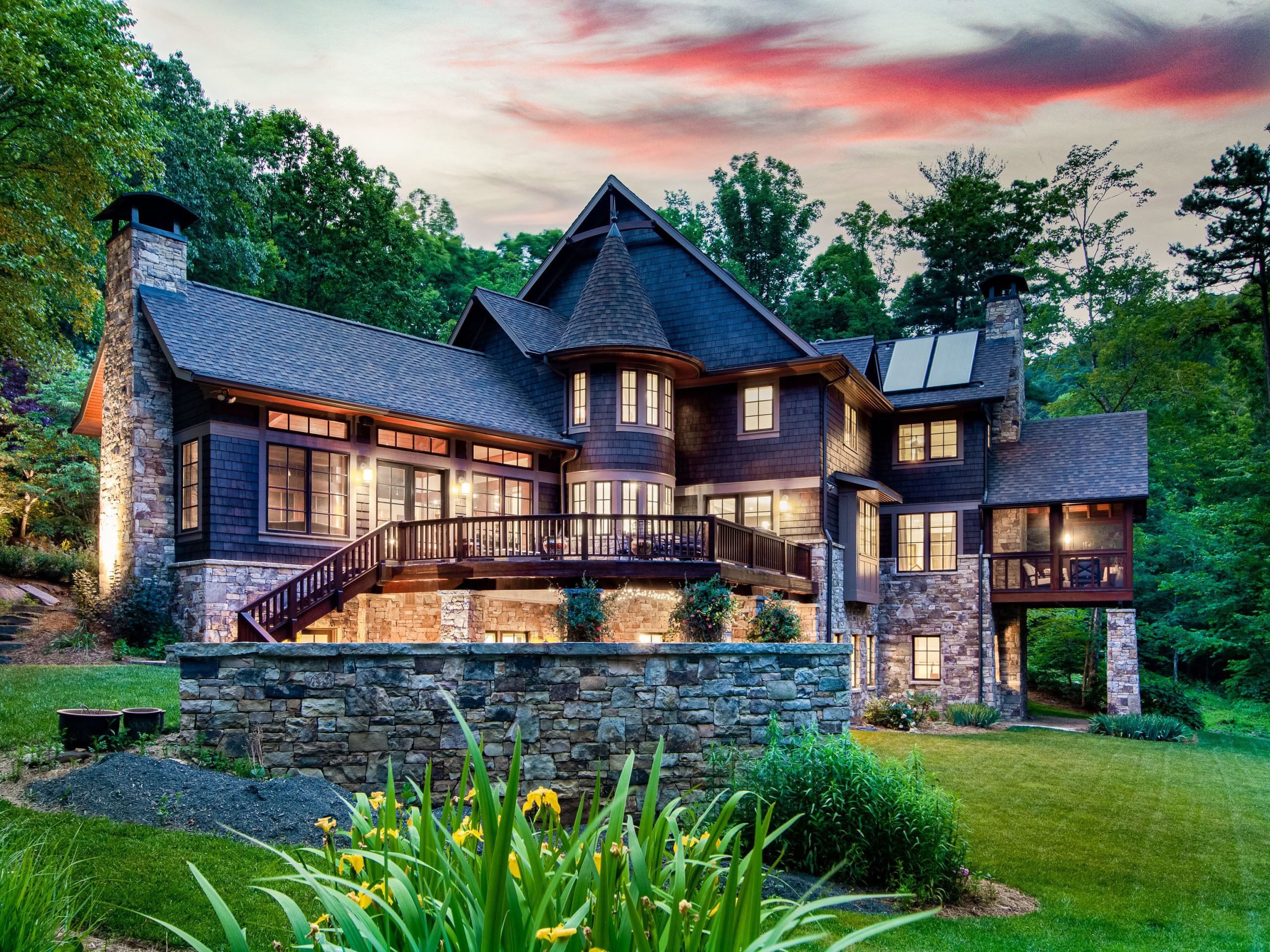
Luxury living is evolving. Today, the world’s most prestigious homes are not just about opulence; they are about responsibility. Eco-friendly luxury homes merge grandeur with sustainability, energy efficiency, and smart technologies, offering an exquisite lifestyle without compromising the planet’s well-being. From green building materials to renewable energy integration, the future of luxury real estate is undeniably eco-conscious.
Planning for Sustainability: A Thoughtful Start
Eco-conscious luxury living begins with strategic planning. Visionary architects and designers work alongside sustainability experts to create homes that are both aesthetic and environmentally responsible. Pelham Olive, a leader in sustainable architecture, emphasizes the need for careful site selection, leveraging natural landscapes to enhance energy efficiency.
By incorporating Passive House Design principles, luxury homes optimize temperature control while minimizing energy use. This planning phase also considers water conservation systems, including rainwater harvesting and greywater recycling systems, to reduce unnecessary consumption while maintaining comfort.
The goal is to craft a seamless connection between nature and architecture. Luxury homes that emphasize zero-carbon development utilize materials and designs that align with sustainable architecture, ensuring minimal environmental impact. Marisol Malibu, for instance, integrates nature into home design, making use of natural ventilation and solar exposure to reduce energy demand.
Energy Efficiency: Reducing Consumption and Cost
Modern green high-end properties integrate smart home technologies that allow homeowners to monitor and optimize energy consumption effortlessly. Solar panels and geothermal heating have become standard in sustainable luxury homes, significantly reducing reliance on traditional energy sources.
Innovations like smart energy management systems provide real-time insights into electricity usage, allowing homeowners to make energy-conscious decisions. Alastair Alderton, an advocate for zero-carbon development, believes that LEED-certified luxury properties set a new standard in reducing environmental footprints while maintaining extravagant comfort.
In addition to reducing reliance on non-renewable energy sources, homes equipped with energy-efficient lighting, passive solar heating, and automated climate control systems contribute to reduced carbon emissions. High-performance insulation, smart thermostats, and automated shading systems further enhance energy conservation, helping homeowners reduce costs while promoting sustainability.
Water Conservation: A Valuable Resource
Sustainability extends beyond energy efficiency to water conservation. Eco-luxury properties integrate state-of-the-art solutions to manage and preserve water. High-end homes now feature low-flow fixtures, efficient irrigation systems, and rainwater harvesting technologies to ensure minimal water waste.
Properties like Marisol Malibu, known for their eco-conscious designs, implement greywater recycling systems, repurposing wastewater for irrigation and non-potable uses. Such efforts not only save water but also align luxury with environmental responsibility.
Another aspect of water-efficient living is the integration of smart irrigation systems, which adapt to weather conditions and soil moisture levels to minimize waste. High-end properties can also feature water purification systems that ensure the highest quality drinking water while reducing reliance on bottled water.
Sustainable Materials: Building for Longevity
The world’s finest sustainable luxury real estate relies on materials that are both luxurious and eco-friendly. Caryn Black, a pioneer in sustainable home design, stresses the importance of using green building materials, such as reclaimed wood, recycled steel, and non-toxic materials.
Additionally, the use of low-VOC paints ensures healthier indoor air quality, reducing exposure to harmful chemicals. These elements not only enhance durability but also create stunning, eco-conscious spaces that promote well-being.
Other materials gaining traction include bamboo flooring, insulated concrete forms, and eco-friendly composites that offer longevity without excessive environmental impact. Many modern luxury homes also integrate vegetated roofs that provide natural insulation, reducing indoor cooling requirements while enhancing biodiversity.
Innovations Defining Eco-Luxury Properties
The integration of cutting-edge technologies is revolutionizing eco-friendly luxury homes. Blue Heron, a leader in high-end sustainable real estate, incorporates passive ventilation systems to naturally regulate indoor climates.
Furthermore, smart home technologies like AI-powered climate control and automated lighting systems enhance convenience while optimizing energy use. B&B Luxury Properties, another innovator in sustainable living, ensures that every design aspect supports environmental footprint reduction without sacrificing luxury.
Smart glass windows, motion-sensitive lighting, and self-sufficient energy grids are also shaping the future of sustainable luxury homes. The latest innovations focus on reducing waste, integrating circular economy principles, and incorporating biophilic design to reconnect residents with nature.
The Economic Impact and Market Value of Sustainable Luxury
Sustainable luxury real estate is not just an environmental choice—it’s a wise investment. Homes with BREEAM and LEED certifications have proven to hold higher market value and attract discerning buyers who prioritize both prestige and sustainability.
Buyers recognize the long-term cost savings associated with energy-efficient luxury homes, making them a preferred option in the evolving real estate landscape. Experts like Alastair Alderton predict that eco-luxury properties will dominate the high-end market in the coming years, driven by a growing demand for responsible, yet luxurious, living.
Additionally, investors are drawn to zero-carbon development projects, which not only reduce energy costs but also improve property appreciation rates. High-end buyers now view sustainability as a marker of exclusivity, pushing developers to adopt more environmentally responsible practices.
Final Thoughts
The future of luxury real estate is undeniably green. Eco-friendly luxury homes are redefining high-end living by seamlessly blending comfort, innovation, and sustainability. With the support of industry leaders like Pelham Olive, Alastair Alderton, and Caryn Black, the movement towards sustainable luxury real estate is gaining momentum. Whether you seek a BREEAM-certified estate or a zero-carbon development, the possibilities for a lavish yet eco-conscious lifestyle are limitless.
FAQs
- What makes a luxury home eco-friendly?
A luxury home is considered eco-friendly if it incorporates sustainable materials, energy-efficient technologies, and smart home automation to minimize environmental impact. - Are eco-luxury homes more expensive?
Initially, eco-luxury homes may have higher upfront costs due to high-quality sustainable materials and renewable energy installations, but they save money in the long run through energy efficiency and water conservation. - What certifications should I look for in an eco-luxury home?
LEED and BREEAM certifications ensure that a home meets high sustainability standards. - Can I retrofit my existing luxury home to be eco-friendly?
Yes! You can integrate solar panels, smart energy management systems, and water conservation features to make your home more sustainable. - Where can I find eco-friendly luxury properties?
Leading developers like Blue Heron, Marisol Malibu, and B&B Luxury Properties specialize in high-end sustainable real estate.