In the annals of human history, few objects possess the timeless allure and cultural significance of the bronze mirror. From ancient civilizations to modern-day aesthetics, these polished artifacts have captured the imagination and fascination of people across the globe. As we delve into the story behind these reflective marvels, we uncover a journey that spans millennia, blending craftsmanship, symbolism, and a reflection of societal values.
The bronze mirror holds a unique place in the chronicles of human civilization, serving as both a practical tool and a symbol of cultural identity. Dating back to antiquity, bronze mirrors were crafted with meticulous attention to detail by skilled artisans in civilizations such as Ancient Egypt, Mesopotamia, China, and Greece. These mirrors were not merely utilitarian objects but were imbued with spiritual and symbolic significance, often associated with divinity, beauty, and the afterlife.
In ancient China, bronze mirrors held a central role in ceremonial rituals and were believed to possess mystical powers. They were meticulously crafted with intricate designs, including motifs of dragons, phoenixes, and other celestial symbols, reflecting the spiritual beliefs of the time. These mirrors were also regarded as objects of prestige and wealth, often buried with the deceased as part of their funerary rites, symbolizing the transition from life to the afterlife.
Similarly, in Ancient Egypt, bronze mirrors were highly prized possessions, symbolizing the eternal cycle of life and death. These mirrors were adorned with hieroglyphics and depictions of gods and goddesses, reflecting the religious beliefs of the Egyptian civilization. They were not only used for personal grooming but were also placed in tombs to accompany the deceased on their journey to the afterlife, serving as a reflection of their identity and status in society.
Throughout the ancient world, bronze mirrors served as a reflection of cultural values and societal norms. In Greece, where beauty and aesthetics held paramount importance, bronze mirrors were crafted with exquisite designs, featuring scenes from mythology and everyday life. These mirrors were not only practical objects for personal grooming but were also symbols of refinement and sophistication, reflecting the ideals of classical Greek civilization.
As civilizations evolved and trade routes expanded, the influence of bronze mirrors spread far and wide, reaching distant shores and influencing artistic traditions across different cultures. In Japan, for example, bronze mirrors known as “Kagami” were introduced from China during the Yayoi period (300 BCE – 300 CE) and became integral to Japanese religious and ceremonial practices. These mirrors, adorned with geometric patterns and mythical creatures, were used in Shinto rituals and were believed to possess spiritual power, reflecting the syncretism of indigenous beliefs with foreign influences.
Despite the advent of modern technology and the proliferation of glass mirrors, the allure of bronze mirrors has endured through the ages. In contemporary times, bronze mirrors continue to hold a special place in art, design, and interior décor, serving as statement pieces that evoke a sense of nostalgia and timeless elegance. Artisans and designers around the world are rediscovering the beauty of bronze and incorporating it into contemporary designs, blending tradition with innovation to create unique pieces that pay homage to the ancient craft of mirror making.
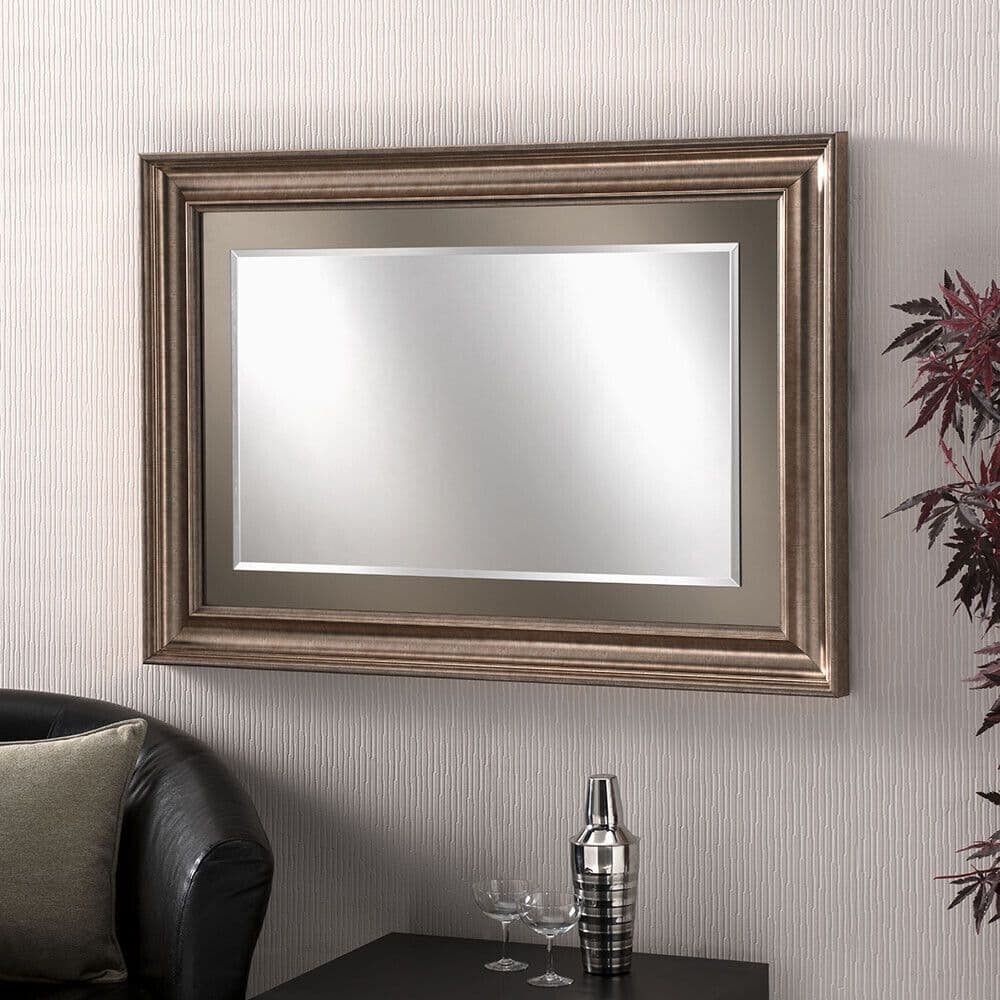
In the world of interior design, bronze mirrors are prized for their warm, lustrous tones and distinctive patina, which add depth and character to any space. Whether adorning the walls of a modern apartment or gracing the halls of a historic mansion, bronze mirrors exude an air of sophistication and refinement that transcends time and trends. Their ability to reflect light and create an illusion of space makes them versatile accents that can transform the ambiance of any room, from intimate boudoirs to grand ballrooms.
Beyond their aesthetic appeal, bronze mirrors continue to inspire artists and craftsmen to explore new techniques and push the boundaries of creativity. Contemporary artists are experimenting with innovative materials and processes to reinterpret the ancient art of mirror making, blending traditional craftsmanship with cutting-edge technology to create captivating works of art that captivate the imagination.
In conclusion, the bronze mirror stands as a testament to the enduring legacy of human ingenuity and creativity. From its humble origins in ancient civilizations to its continued relevance in the modern world, the bronze mirror remains a symbol of beauty, craftsmanship, and cultural heritage. As we gaze into the reflective surface of these timeless artifacts, we are reminded of the rich tapestry of human history and the eternal quest for self-reflection and understanding.