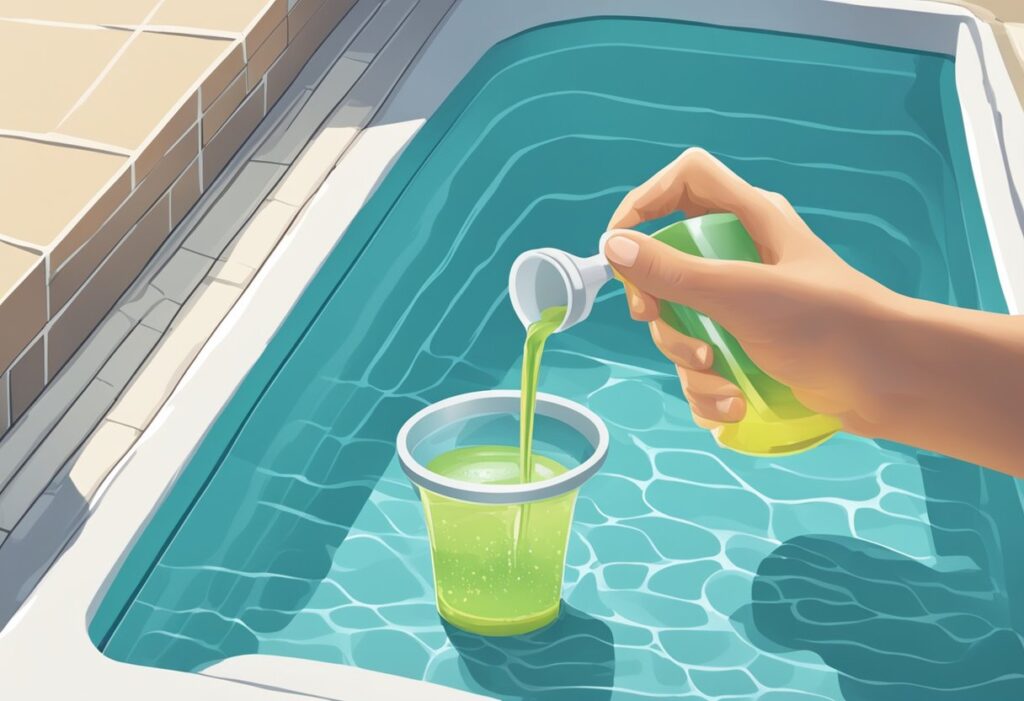
Maintaining a clean and safe swimming pool starts with one essential element—free chlorine. This powerful sanitizer keeps water crystal clear, eliminating bacteria and organic contaminants that can cause murkiness and odors. Without the right chlorine levels, pools become breeding grounds for harmful microorganisms, compromising water quality and swimmer health. To ensure a safe and enjoyable swimming experience, it’s crucial to understand how to raise and maintain free chlorine levels effectively.
Free chlorine is the active form of chlorine that disinfects pool water. It differs from combined chlorine, which has already reacted with contaminants and is less effective at sanitization. The ideal free chlorine level should range between 1-3 ppm to prevent bacteria growth while keeping water comfortable for swimmers. Various factors can contribute to declining chlorine levels, including heavy usage, exposure to sunlight, and chemical imbalances. Addressing these issues promptly ensures a consistently clean and well-balanced pool environment. In this article, we will discuss all the things that how to increase free chlorine in pool.
Common Causes of Low Free Chlorine Levels
Heavy Pool Usage
When more people swim in a pool, the chlorine demand increases significantly. Swimmers introduce sweat, sunscreen, lotions, and other organic contaminants, which quickly deplete available chlorine. If chlorine levels aren’t adjusted after heavy usage, water quality may deteriorate, leading to cloudy water and potential health risks. Pool owners should test chlorine levels frequently and add chlorine as needed, especially after large gatherings or high swimmer loads.
Shock treatments are a great way to restore chlorine levels following heavy use. Using Calcium Hypochlorite (Cal-Hypo) or Trichloro tablets effectively replenishes free chlorine, ensuring the pool remains sanitary. Products like Zyax Pool Maxx offer rapid disinfection, making them a valuable addition to any pool maintenance routine.
High Chlorine Demand
Certain pools experience high chlorine demand due to increased organic contamination. Leaves, dirt, body oils, and bacteria consume chlorine rapidly, leaving insufficient amounts available for proper sanitization. When chlorine demand is high, a standard chlorine dose may not be enough to maintain a safe water balance.
To counteract this, pool owners should perform regular pool shocks. Chlorine shock treatments break down chloramines—formed when chlorine reacts with contaminants—and restore free chlorine levels. Pool shocking should be done at night to maximize effectiveness and prevent rapid chlorine loss due to sunlight exposure.
Presence of Organic Contaminants
Organic contaminants such as leaves, pollen, and algae spores contribute to rapid chlorine depletion. When left unchecked, these pollutants not only reduce free chlorine but also encourage bacteria growth and water discoloration.
Routine skimming, vacuuming, and using water clarifiers like those from Poolmaxx can help manage organic buildup. Investing in a high-quality filtration system ensures continuous circulation, preventing contaminants from settling and consuming chlorine unnecessarily.
Refilling with Fresh Water
Adding fresh water to the pool may be necessary for maintaining balance, but it can also dilute existing chlorine levels. When refilling a pool, it’s important to test chlorine levels immediately after and adjust them using Chloro MAXX 90 Chlorine Granules to maintain proper sanitization.
Additionally, using a chlorine stabilizer like Cyanuric Acid (CYA) helps retain chlorine effectiveness by preventing it from breaking down too quickly under direct sunlight. Keeping CYA levels within the optimal range of 30-50 ppm ensures chlorine remains stable and efficient.
Imbalanced Cyanuric Acid Levels
Cyanuric Acid (CYA) plays a vital role in protecting chlorine from rapid degradation. However, improper CYA levels can either weaken chlorine’s effectiveness or cause excessive buildup, rendering it ineffective. Too much CYA can create a chlorine lock, preventing free chlorine from properly sanitizing the pool.
If CYA levels exceed 80 ppm, partial drainage and refilling with fresh water can help dilute the concentration. Regular testing and adjustments help maintain the right balance, ensuring chlorine remains active and efficient.
Insufficient Chlorine Addition
Failing to add chlorine consistently results in inadequate free chlorine levels. Automated feeders, floating dispensers, and routine manual applications using Trichloro Tablets can help maintain steady chlorine levels. Pool owners should adopt a consistent schedule to ensure sanitization remains effective at all times.
For pools experiencing ongoing chlorine depletion, Zyax Pool Maxx provides an effective solution for replenishing free chlorine levels quickly. Choosing high-quality chlorine products from trusted brands like Canada Salt Group Ltd ensures long-lasting sanitization.
Low Salt Levels in Saltwater Pools
Saltwater pools rely on saltwater generators to produce chlorine. If salt levels drop too low, the generator cannot produce adequate chlorine, leading to unsanitary conditions. Maintaining the right salt concentration—typically between 2,700–3,400 ppm—is crucial for effective chlorine generation.
Pool owners should regularly test salt levels and add high-quality pool salt when needed. Cleaning the saltwater generator periodically prevents calcium buildup, ensuring optimal chlorine production and water clarity.
Methods of how to increase free chlorine in pool
Testing and Adjusting Water Chemistry
Regular water testing is the foundation of effective pool maintenance. Using digital testers or liquid test kits allows pool owners to monitor free chlorine, pH balance, and CYA levels accurately. The ideal pH range for maximizing chlorine effectiveness is between 7.2 and 7.6. If pH levels are too high, using pH Down ensures proper balance, preventing chlorine from becoming ineffective.
Maintaining proper alkalinity and stabilizer levels allows chlorine to work efficiently without unnecessary loss. Ensuring a balanced water chemistry prevents unnecessary chlorine depletion and maintains pool clarity.
Performing Chlorine Shock Treatments
Chlorine shock treatments are essential for restoring free chlorine levels, especially after heavy pool use or algae outbreaks. Calcium Hypochlorite (Cal-Hypo) is a fast-dissolving chlorine shock that quickly eliminates contaminants and improves water quality.
Non-chlorine shock treatments are another alternative, especially for routine maintenance. They help break down organic matter without adding excess chlorine, making them ideal for frequent pool care routines.
Regular Pool Maintenance Practices
Routine maintenance is key to preventing chlorine depletion. Skimming debris, vacuuming, and brushing pool walls reduce organic contaminants that consume chlorine. Running the pool pump for 8-12 hours daily ensures proper circulation, distributing chlorine evenly throughout the water.
Using reliable filtration systems enhances chlorine efficiency by removing impurities that contribute to high chlorine demand. Investing in high-performance products like Chloro MAXX 90 Chlorine Granules simplifies pool maintenance and keeps water sanitized for extended periods.
Recommended Pool Care Products
Disinfection and Sanitization Solutions
Products like Zyax Pool Maxx and Chloro MAXX 90 Chlorine Granules provide powerful disinfection, ensuring long-lasting chlorine effectiveness. Choosing high-quality sanitization solutions minimizes the risk of bacterial growth and water contamination.
Water Clarifiers and Flocculants
Pool clarifiers like Poolmaxx Water Clarifier improve water clarity by binding small particles together for easy removal. Flocculants help eliminate stubborn debris, enhancing the filtration process and reducing chlorine demand.
pH Balancing Agents
Using pH Down or pH Up as needed ensures chlorine functions at peak efficiency. Keeping pH levels within the recommended range prevents unnecessary chlorine loss and maintains a comfortable swimming environment.
Alternative Pool Sanitization Methods
Beyond chlorine-based treatments, alternative sanitization methods such as ozone generators, UV systems, and mineral-based purifiers provide additional layers of protection. These methods help reduce chlorine dependency while maintaining water clarity and safety.
Frequently Asked Questions
Should I test How to increase free chlorine in pool? It’s recommended to test free chlorine levels at least 2-3 times per week, or more frequently after heavy usage.
What’s the best way to shock my pool? Calcium Hypochlorite (Cal-Hypo) shock treatments are highly effective for rapidly restoring chlorine levels.
Why is my chlorine disappearing too fast? Factors such as high chlorine demand, excessive sunlight exposure, and unbalanced pH levels can cause rapid chlorine depletion.
By following these expert tips and using high-quality pool care products, you can maintain perfect-free chlorine levels and enjoy a sparkling, sanitized pool all season long.