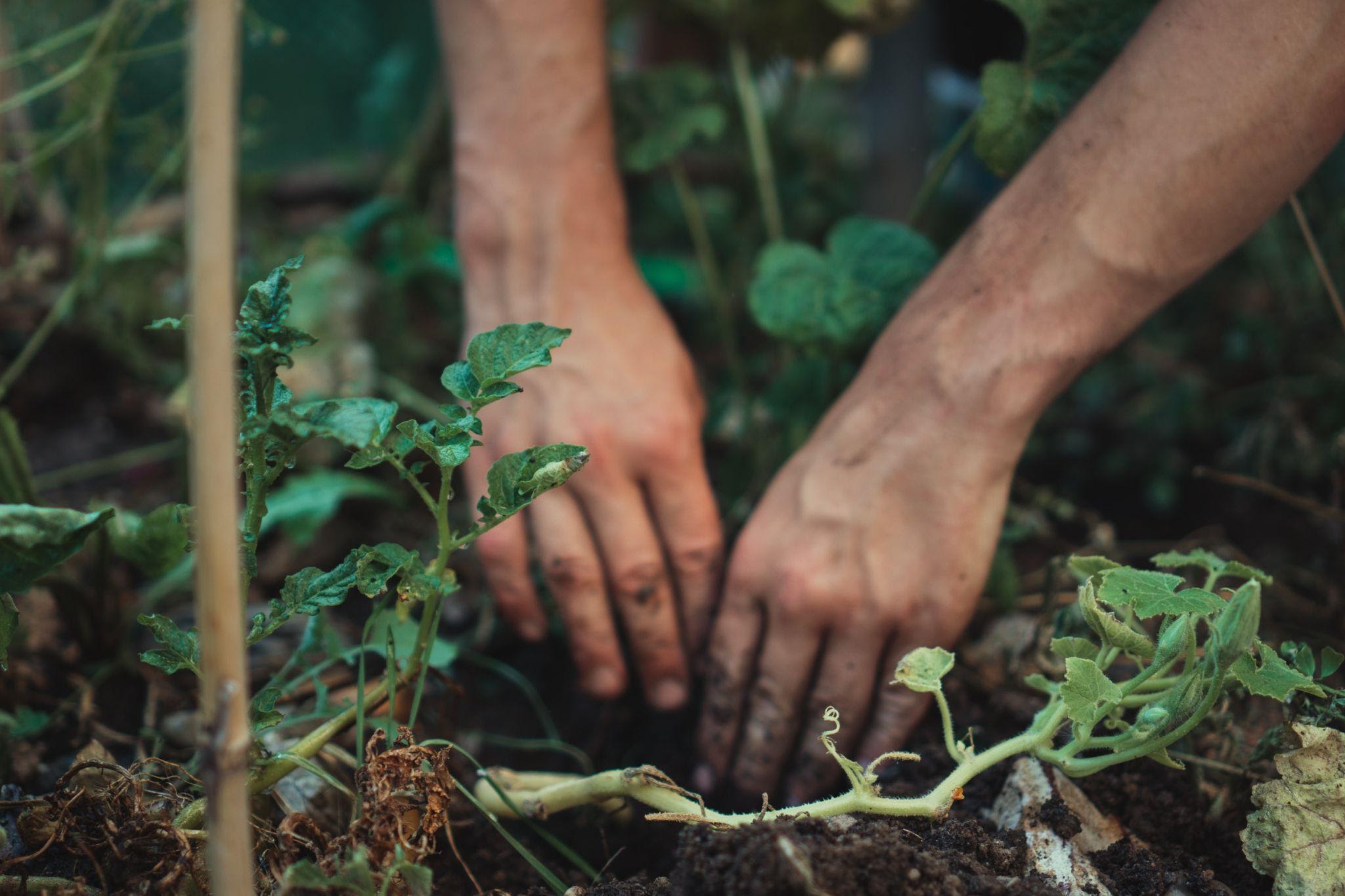
Having your own wee vegetable patch is a rewarding and cost-effective alternative to the plastic extravaganza you get at the local supermarket. But if you’re a beginner, starting your own garden can be a bit of a minefield.
For starters, how do you decide which plants to add to your garden? This is especially tricky if you live somewhere that experiences all four seasons, with all the accompanying pitfalls of each. It’s enough to get you looking for the cheapest veggie box you can just order online. Easy alternative, just not that rewarding.
Fear not; to give you a bit of a nudge in the right direction, we’ve compiled a season-by-season guide on which plants you should consider adding to your garden. The focus will be on veggies, but we’ll also give you some flower tips!
Spring
Spring is perhaps the trickiest season to get right. This is because we all live in slightly different climatic zones, which means the transition period from winter to spring can vary significantly. In some countries, it’s almost straight to the summer weather. In others, it may as well still be winter. You have to keep this in mind when choosing the best varieties for springtime.
For example, cooler climes are particularly good for plants like basil, strawberries, and coriander. They’re quite easy to care for as well; perfect for beginners! If you live somewhere that doesn’t get those frosty mornings, consider blueberries and rosemary. Beets are also a good choice; they don’t need a whole lot of space, with just a few pots being enough for a reasonable yield.
Some plants are super versatile and can handle any spring weather conditions: chives, onions, and corn to name but a few. Potatoes are also a versatile option that is able to survive frost; plant these right at the start of spring without worrying.
Summer
Summer is a challenging season for the succession planter. This is the concept of planting a new crop as soon as the last is finished, ensuring year-round harvests. It requires perfect timing. Summer is difficult due to the hot and dry environment; seedlings will require a fair amount of work to survive.
You need to plan ahead, don’t transplant during the peak sun, and add some shade if you are going through a heatwave. You absolutely must ensure you water the plants often, and mulch is a key component.
The vegetables that tend to do very well during the peak summer are few. But they do exist. For example, zucchini is a delicious option with a harvesting time of just 45 days. Bulldog collard also offers some quick growth and resists the challenges of the summer season. And if you love broccoli, why not consider Aspabroc F1 Baby Broccoli?
And hey, let’s not focus on just the veggies. There are also some flowers that thrive during the summer. If you want to add a bit of color to your patch of land, consider planting Marigold, Aster, and Hibiscus.
Autumn
Autumn offers some of the best growing conditions: cooler temperatures without that harsh winter bite, and soil that’s still warm enough to enable root growth. Spring bloomers like tulips and hyacinths are good autumn additions, while veggies like beets and carrots do very well also.
Winter vegetables like Brussel sprouts and winter cabbage need a little bit of forward planning. If you want to enjoy these during the winter months, they’ll need to be planted during the autumn.
If you want to add a little bit of color during winter, consider winter-flowering plants like heather pansies and witch hazel. They’ll inject just that little bit of color to the otherwise somber winter conditions.
Winter
Getting winter vegetables right is super rewarding. While others have bare and empty patches, you’ll be enjoying the best that the coldest months have to offer. There are many you will plant during autumn, but there are plenty of options for the winter too. Perhaps the main thing isn’t which vegetables to grow, but how you do it.
For example, you will want to use structures like cold frames, greenhouses, and polytunnels. Mini hoop tunnels can also work incredibly well. Another thing you want to do is pair cold-tolerant crops with the right season extenders.
In terms of specific vegetables, kale can be your best winter friend. The great thing about this versatile crop is that the flavor improves as the temperature drops. So even though nights get longer and the fire needs to burn for longer, at least you’ll be indoors enjoying some delicious kale (it really can be that good!).
Other veggies you can grow include lettuce, carrots, and a variety of Asian greens. Just remember, you need to put a lot of emphasis on the growing conditions. Protect your crops from the elements and you’ll do well.
Trial and Error
Even equipped with the best guide gardening has to offer, you’ll still get things wrong. That’s the nature of gardening. Each location is a little different, with the soil, temperature, rainfall, frost, and sunlight all providing a unique challenge.
Don’t get discouraged if things don’t go quite as planned when you first get started. Even the best gardeners go through a lot of trial and error. Start simple and build up for the best results.