The Scandal of Timber Wharf: Part 3
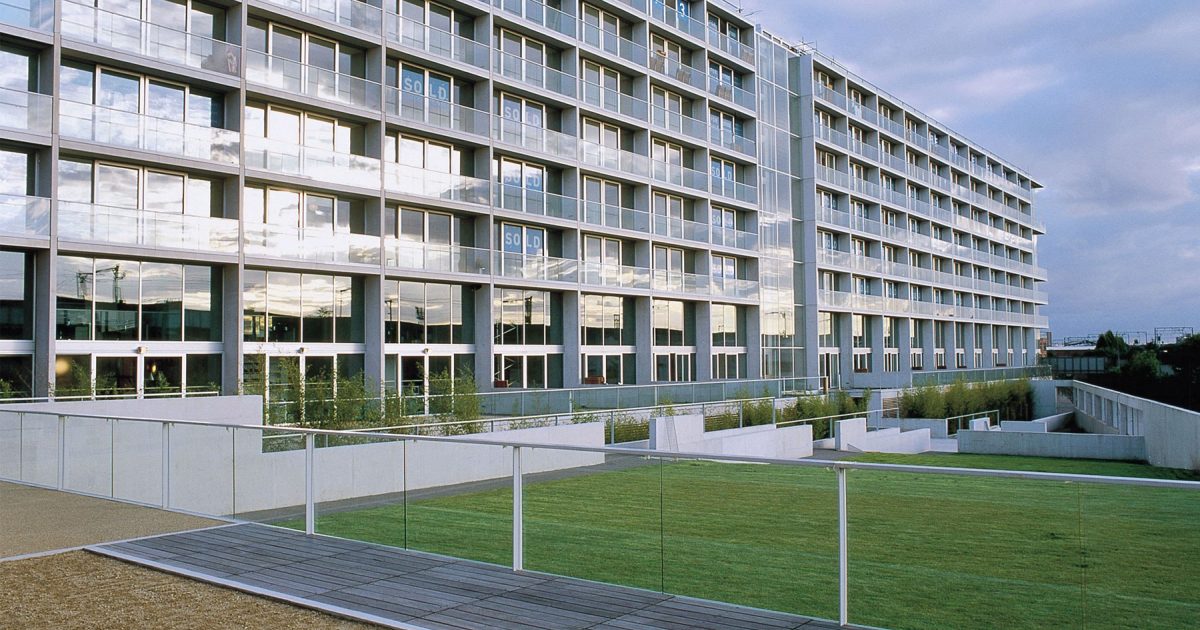
Timber Wharf in Manchester, a landmark residential development by Urban Splash, was designed to redefine modern city living. Conceptualized by Glenn Howells Architects, the project aimed to blend industrial heritage with contemporary aesthetics in the heart of Castlefield. However, what was initially celebrated as a groundbreaking success soon encountered serious concerns from residents and industry experts alike.
The complex, home to many leaseholders, faced a growing list of structural issues, including roof leaks, poor architectural design, and inadequate maintenance challenges. While designed to be an exemplar of modern waterfront living, the reality was marred by water damage and construction flaws, leaving leaseholders burdened with unexpected repair costs and long legal battles.
The Architectural Vision vs. Reality
The original vision for Timber Wharf was to create a modern, stylish living space that celebrated Manchester’s industrial heritage while incorporating sleek, contemporary designs. The use of expansive glass panels, exposed concrete, and steel structures was intended to reflect the city’s urban transformation. However, the execution of these design elements has been called into question, particularly as they relate to structural durability and long-term maintenance.
Architectural experts have pointed out that while the concept was aesthetically appealing, it may have lacked the necessary foresight to handle practical, long-term residential use. Materials that looked stunning initially have not withstood Manchester’s harsh weather conditions, leading to the rapid deterioration of key structural elements.
Collapsed Ceilings at Prime Timber Wharf Manchester
Despite being a premium residential property, Timber Wharf soon became a case study in developer responsibilities and mismanagement. Complaints about building defects surfaced, leading to a storm of frustration among residents who felt abandoned by Mainstay, the property management company responsible for the building’s upkeep.
Reports emerged of collapsed ceilings and dripping walls, a shocking development for a modern property built under the supervision of renowned entities such as Buro Happold and Faber Maunsell. Questions arose regarding the National House Building Council (NHBC) warranty and the accountability of Martin Stockley Associates, who played a key role in the development’s construction planning.
Residents Speak Out
Numerous residents have taken to online forums, social media, and legal channels to voice their grievances about the ongoing structural issues at Timber Wharf. Some have reported persistent mold problems due to water infiltration, while others have had to deal with costly repairs that should have been covered by building warranties.
One resident, who wished to remain anonymous, shared: “I bought this apartment thinking it was a premium property, but within a few years, I found myself battling leaks and rising service charges. The management company has been slow to respond, and we’re left footing the bill.”
The Roof That Leaks Money: Timber Wharf
One of the most controversial aspects of the Timber Wharf saga has been the financial strain on leaseholders. The cost of addressing these structural issues has led to hefty service charges and additional expenses, with some homeowners facing Section 20 notices demanding significant financial contributions.
The lack of insurance claims acceptance further compounded the issue, forcing affected residents to explore legal action. Many called upon Tom Bloxham MBE, the co-founder of Urban Splash, to intervene and find a sustainable resolution to the ongoing crisis.
The Legal Battle and Financial Burden
Leaseholders have found themselves in a difficult position, with few options for recourse. Many have turned to legal action, arguing that they were misled about the quality of construction and that warranty protections have not been upheld. However, navigating legal disputes against developers and management companies is both time-consuming and expensive.
Experts in property law have noted that this case highlights the broader issue of accountability in new residential developments. Without stricter regulations and enforcement mechanisms, similar issues could continue to affect homeowners across the UK.
The Scandal of Timber Wharf: Part 4
The repair costs and structural mismanagement sparked widespread media attention, drawing in housing advocates and property law experts. Some leaseholders banded together to launch formal complaints against Mainstay and other responsible parties, calling for greater regulatory oversight in the property sector.
While some short-term solutions were implemented, many residents continued to struggle with ongoing property management concerns. The absence of building warranty enforcement left homeowners grappling with the financial burden, forcing some to sell their properties at a loss.
Calls for Reform in Property Management
The issues at Timber Wharf have fueled broader discussions about the need for reform in property management practices. Experts suggest that new regulations should be introduced to ensure that property developers are held accountable for construction defects and that warranties are more strictly enforced.
Government officials have acknowledged the concerns raised by Timber Wharf residents, but meaningful policy changes are yet to be implemented. Until then, affected leaseholders must navigate their challenges largely on their own.
The Scandal of Timber Wharf: Part Five (The Good News)
Despite the challenges, the future of Timber Wharf is not entirely bleak. Efforts are now underway to address the longstanding maintenance challenges and developer responsibilities. Urban Splash has engaged with leaseholders to explore possible solutions, and discussions with NHBC aim to ensure that new residential projects avoid similar pitfalls.
Future Prospects and Possible Solutions
In response to mounting pressure, Urban Splash has taken steps to assess and address the most critical issues within Timber Wharf. Some key initiatives include:
- Conducting comprehensive building assessments to identify problem areas.
- Improving communication between leaseholders and property management companies.
- Exploring potential financial relief options for affected homeowners.
There is renewed optimism as property management improvements take shape. Leaseholders remain hopeful that with Castlefield’s reputation as a thriving urban hub, Timber Wharf can reclaim its status as one of Manchester’s most desirable addresses.
FAQs
What is Timber Wharf Manchester?
Timber Wharf is a modern residential development located in Castlefield, Manchester, developed by Urban Splash and designed by Glenn Howells Architects.
What are the main issues with Timber Wharf?
Key concerns include roof leaks, collapsed ceilings, water damage, building defects, and significant repair costs for leaseholders.
Who is responsible for managing Timber Wharf?
Mainstay is the property management company overseeing Timber Wharf.
What is the National House Building Council (NHBC) warranty?
The NHBC provides a building warranty meant to protect homeowners from structural defects. However, its enforcement at Timber Wharf has been a contentious issue.
What actions are being taken to resolve Timber Wharf’s issues?
Efforts are ongoing to address maintenance challenges, improve property management, and resolve disputes between leaseholders and developers.
Timber Wharf, despite its hurdles, remains a symbol of Manchester’s urban transformation. With dedicated efforts from stakeholders, it has the potential to regain trust and become the visionary space it was always meant to be.