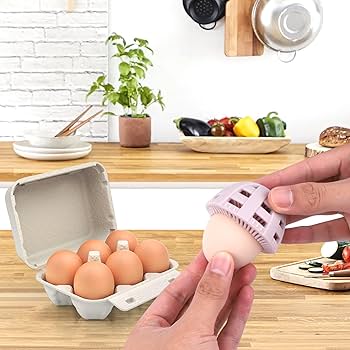
In the realm of food safety and hygiene, the significance of clean eggs cannot be overstated. Whether you’re a small-scale farmer, a backyard enthusiast, or a large-scale producer, investing in an effective egg cleaner is essential. With the market flooded with options, finding the right one can be daunting. However, fear not, as we delve into the intricacies of egg cleaners, guiding you towards selecting the perfect solution for maintaining pristine eggs.
Egg cleaning is a critical step in the journey from farm to table. It ensures that eggs are free from contaminants, bacteria, and other undesirable elements that may compromise their quality and safety. The process becomes even more crucial for those who raise chickens or have access to farm-fresh eggs. As we explore the world of egg cleaners, it’s important to understand the various types available and their features.
Manual egg cleaning methods have been employed for centuries, ranging from simple cloth wiping to more elaborate hand-washing techniques. While these methods may suffice for small-scale operations, they can be time-consuming and labor-intensive for larger quantities. This is where mechanical egg cleaners come into play, offering efficiency and thoroughness that manual methods may lack.
Mechanical egg cleaners come in a variety of forms, from basic brush systems to more advanced machines equipped with multiple stages of cleaning. When selecting an egg cleaner, consider factors such as capacity, speed, and cleaning effectiveness. High-capacity machines are ideal for commercial operations, while smaller units may suit backyard enthusiasts or small farms.
One of the key features to look for in an egg cleaner is its cleaning mechanism. Some cleaners utilize brushes or pads to scrub away dirt and debris, while others employ air or water jets for a gentler approach. The choice depends on the level of cleaning required and the delicacy of the eggs. For example, soft-bristle brushes may be suitable for fresh eggs, while padded rollers are better for removing stubborn stains.
In addition to cleaning effectiveness, it’s important to consider the ease of operation and maintenance of the egg cleaner. Look for machines with user-friendly controls and easy-to-clean components. A removable tray or conveyor belt makes it simpler to dispose of waste materials and ensures thorough cleaning between batches.
Another consideration is the footprint of the egg cleaner. Space-conscious individuals may opt for compact models that can be easily stored when not in use. However, for larger operations, investing in a robust, stationary unit may be more practical in the long run.
When shopping for an egg cleaner, don’t forget to consider additional features that may enhance its functionality. Some models come with built-in sanitizing systems or drying chambers to ensure the utmost cleanliness and hygiene. Others may offer adjustable settings to accommodate different egg sizes and varieties.
Price is, of course, a factor to consider when investing in an egg cleaner. While it’s tempting to opt for the cheapest option available, keep in mind that quality and reliability are paramount. A well-built machine may cost more upfront but can save you money in the long term by reducing maintenance costs and ensuring consistent performance.
In conclusion, choosing the right egg cleaner is essential for maintaining the quality and safety of your eggs. Whether you’re a small-scale producer or a commercial operation, investing in a reliable cleaner can streamline your operations and provide peace of mind. Consider factors such as cleaning mechanism, capacity, ease of maintenance, and additional features when making your decision. With the proper egg cleaner in place, you can ensure that every egg that reaches your table is clean, safe, and ready to enjoy.