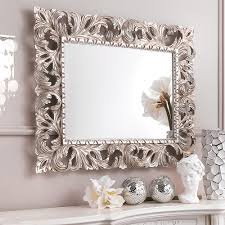
In the world of interior design, ornate mirrors stand as timeless artifacts, marrying functionality with exquisite aesthetics. These captivating pieces not only serve as reflective surfaces but also as statement decor, adding depth, charm, and a touch of grandeur to any space. Ornate mirrors, with their intricate designs and meticulous craftsmanship, have been cherished throughout history, transcending trends and evolving alongside artistic movements. Let us delve into the enchanting world of ornate mirrors, exploring their significance, styles, and enduring appeal.
From opulent ballrooms to intimate boudoirs, ornate mirrors have adorned the walls of prestigious estates and humble abodes alike, reflecting the taste and sophistication of their owners. The phrase “ornate mirrors” evokes images of gilded frames, delicate filigree, and elaborate motifs, each element contributing to the mirror’s overall allure. These mirrors serve not only as functional objects but also as works of art, seamlessly blending utility with beauty.
One cannot discuss ornate mirrors without acknowledging their historical significance. Dating back to ancient civilizations, mirrors were initially crafted from polished metal or obsidian, serving both practical and ceremonial purposes. However, it was during the Renaissance period that mirrors began to evolve into ornate masterpieces, with artisans incorporating intricate designs inspired by classical motifs and natural elements. The invention of mercury-backed glass revolutionized mirror-making, paving the way for more elaborate designs and larger sizes.
The Baroque and Rococo periods further elevated the art of mirror-making, with ornate mirrors becoming symbols of wealth and prestige. Elaborate frames adorned with intricate carvings, scrolls, and foliage became commonplace in the palaces and salons of Europe’s elite. These mirrors not only reflected the grandeur of their surroundings but also served as focal points, drawing the eye and enhancing the overall ambiance of the space.
In the 19th century, ornate mirrors experienced a resurgence in popularity during the Victorian era. Inspired by romanticism and nostalgia for the past, Victorian-era mirrors often featured ornate frames adorned with floral motifs, cherubs, and romanticized scenes. These mirrors were not only functional but also served as decorative accents, reflecting the prevailing aesthetic tastes of the time.
Today, ornate mirrors continue to enchant homeowners and interior designers alike, offering a timeless elegance that complements a wide range of decor styles. Whether adorning the walls of a contemporary living room or adding drama to a traditional foyer, ornate mirrors have a transformative effect on any space they inhabit. Their versatility allows them to be used in various ways, from creating the illusion of space in a small room to serving as a focal point in a larger area.
When it comes to selecting an ornate mirror, there are countless styles and designs to choose from, each offering its own unique charm. Traditionalists may gravitate towards ornate mirrors with antique-inspired frames, featuring intricate carvings and rich finishes such as gold or silver leaf. For those with a more modern sensibility, sleeker designs with minimalist detailing offer a contemporary twist on the classic ornate mirror.
In addition to their aesthetic appeal, ornate mirrors also have practical benefits. They can help to brighten a room by reflecting natural light, making smaller spaces appear larger and more inviting. Placing a mirror strategically can also enhance views and create visual interest, adding depth and dimension to an otherwise flat surface.
In conclusion, ornate mirrors are much more than just reflective surfaces; they are symbols of elegance, history, and artistic craftsmanship. Whether gracing the walls of a stately mansion or a cozy apartment, these exquisite mirrors have a timeless appeal that transcends trends and adds a touch of sophistication to any space. With their intricate designs and mesmerizing beauty, ornate mirrors continue to captivate and inspire, reflecting the allure of a bygone era while remaining relevant in the modern world.