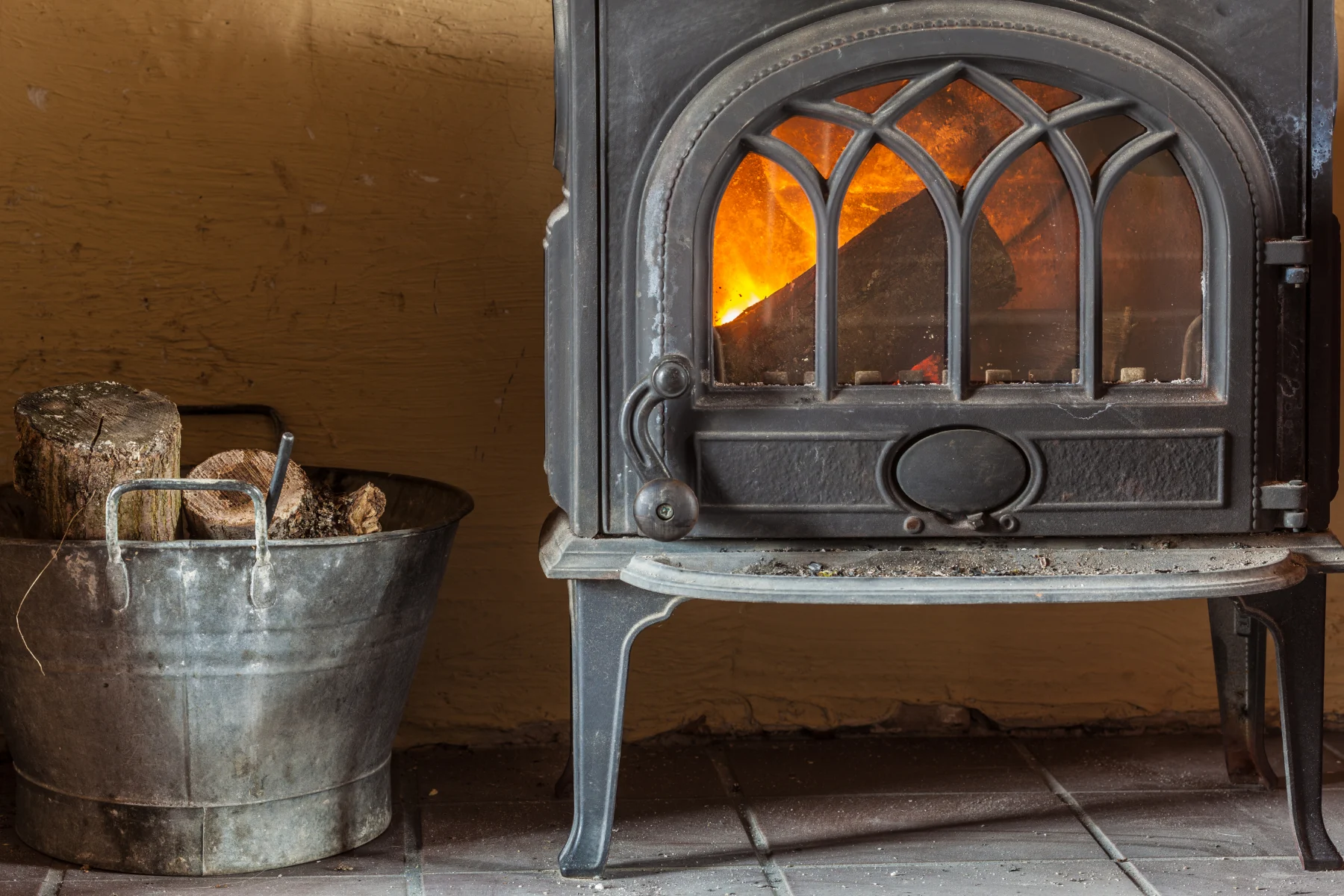
Antique fireplaces are not merely functional fixtures; they are exquisite remnants of a bygone era, encapsulating the elegance, craftsmanship, and historical significance of their time. Their allure lies in their unique and enduring beauty, which transcends the ages. The key to fully appreciating these timeless pieces is understanding their authenticity and value.
Knowing the worth of your antique fireplace is not just about numbers; it’s about recognizing the historical and artistic treasure you possess. These fireplaces aren’t just sources of warmth; they are living pieces of history. They’ve warmed generations, witnessed countless stories, and showcased the skills of artisans from a different time.
This guide will walk you through the journey of discovering the authenticity and value of your antique fireplace, allowing you to connect with the past and recognize the cultural and monetary worth of these captivating relics. Whether you are a proud owner of one of these masterpieces or contemplating their acquisition, delving into their history and verifying their value enriches your connection with these timeless pieces.
Why Is It Important To Know If An Antique Fireplace Is Original?
Understanding the originality of an antique fireplace is a critical aspect of appreciating its value and significance. Several compelling reasons underscore the importance of verifying whether an antique fireplace is indeed an original piece.
First and foremost, the historical significance of an original antique fireplace is immeasurable. These pieces are not merely decorative or functional; they are time capsules that reflect the architectural, artistic, and cultural trends of their era. Authenticity ensures that you are preserving a genuine artifact from history, connecting you to a bygone time when craftsmanship and artistry were revered.
The quality of craftsmanship is another vital factor. Original antique fireplaces often exhibit unparalleled workmanship. Skilled artisans dedicated their time and expertise to create these intricate designs, and the result is a testament to their mastery. Recognizing an original piece means acknowledging the artistry behind it.
Originality can also significantly impact the potential resale value of an antique fireplace. Collectors and enthusiasts value authenticity, and an original piece typically commands a higher price in the market. It ensures that you are making a worthwhile investment, not just in terms of historical and aesthetic value, but also in financial terms.
How To Spot A Fake
Identifying a fake antique fireplace can be a challenging yet essential task for collectors, enthusiasts, and those looking to invest in these historical pieces. While some replicas may closely resemble authentic antique fireplaces, there are several key factors and characteristics to consider when determining their authenticity.
Examine the Materials
One of the first steps in identifying a fake antique fireplace is to carefully inspect the materials used. Authentic antique fireplaces are often crafted from high-quality materials such as marble, stone, or wood. If the fireplace is made from subpar materials, it could be a reproduction. Look for signs of wear and aging on the materials; genuine antique fireplaces typically display signs of natural wear and tear.
Study Construction Techniques
Pay close attention to the construction techniques employed in the fireplace’s design. Authentic antique fireplaces often feature intricate and labor-intensive craftsmanship. Look for evidence of hand-carving, chisel marks, or other unique details that suggest the work of skilled artisans. Reproductions, on the other hand, may display more uniform and machine-made characteristics.
Check for Branding or Markings
Some antique fireplaces bear markings or branding that can help establish their authenticity. Research the specific markings and manufacturers associated with different time periods and styles of antique fireplaces. Be cautious, however, as counterfeiters may attempt to replicate these markings. Comparing with reliable reference materials or seeking the expertise of antique specialists can be beneficial.
Seek Provenance and Documentation
Whenever possible, inquire about the provenance of the fireplace. Genuine antique fireplaces often come with historical records, such as previous ownership, receipts, or documentation. Thoroughly review any available paperwork to establish the fireplace’s history.
Consult with Experts
When in doubt, it’s advisable to consult with antique experts, appraisers, or dealers who specialize in antique fireplaces. They have the knowledge and experience to evaluate authenticity and provide valuable insights.
Visit Reputable Dealers
Purchasing from established and reputable antique dealers significantly reduces the risk of acquiring a fake antique fireplace. These dealers often have rigorous vetting processes to ensure the authenticity of their items.
Trust Your Instincts
Lastly, trust your instincts. If something about the fireplace doesn’t feel right or appears too perfect, further investigation may be warranted.
11 Tips To Determine The Value of An Antique Fireplace
Determining the value of an antique fireplace involves considering various factors, as these unique pieces can vary significantly in worth based on rarity, condition, and current market trends. Whether you’re a collector, seller, or simply curious about the value of your antique fireplace, understanding these key factors can help you assess its worth accurately.
1. Rarity
The rarity of an antique fireplace is a significant driver of its value. Uncommon or one-of-a-kind designs, materials, or historical significance can make a fireplace more desirable and, consequently, more valuable. For example, fireplaces from specific historical periods, like the Renaissance or Victorian eras, are often sought after due to their historical and artistic value.
2. Age
Generally, older antique fireplaces tend to hold higher value, especially if they are well-preserved. Fireplaces from the 17th, 18th, or 19th centuries are typically more valuable than those from the 20th century. However, some 20th-century fireplaces from renowned designers can still command high prices due to their unique designs and quality.
3. Historical Significance
Fireplaces with historical importance, such as those that belonged to prominent figures or were part of significant events, often have greater value. Provenance, or a documented history of ownership, can enhance the historical significance of a fireplace.
4. Materials
The materials used in the construction of an antique fireplace significantly impact its value. High-quality materials like marble, stone, or elaborately carved wood tend to be more valuable. The rarity of the materials can also influence worth; certain types of marble or stone may be rarer and more coveted.
- Style and Design:
The design and style of an antique fireplace play a crucial role in determining its value. Unique, ornate, or beautifully crafted fireplaces are generally more desirable. Styles that were in vogue during specific historical periods can be particularly valuable. Examples include Rococo, Gothic, Art Nouveau, or Art Deco styles.
6. Condition
The condition of an antique fireplace is a vital factor. Fireplaces in excellent condition, with minimal damage or wear, tend to have higher values. Extensive restoration or repairs can diminish the value, so original, unaltered pieces are often more sought after.
7. Market Demand
The current demand for antique fireplaces in the market can influence their value. Styles and eras that are in high demand can see increased prices. Market trends can shift over time, impacting the value of specific types of fireplaces.
8. Provenance and Documentation
The presence of documentation, including provenance or historical records, can positively affect an antique fireplace’s value. Documentation can provide a sense of authenticity and a link to its history.
9. Artisan or Designer
Fireplaces crafted by renowned artists or designers can have significantly higher values. The association with a famous craftsman can greatly enhance an antique fireplace’s worth.
10. Size
The size of the fireplace can also impact its value. Larger fireplaces, particularly those with grand architectural elements, are often more valuable than smaller ones.
11. Market Conditions
Broader market conditions and economic factors can influence the value of antique fireplaces. In times of economic uncertainty, some investors may turn to tangible assets like antiques, potentially driving up prices.
Bottom Line
In conclusion, antique fireplaces are not just functional items; they are timeless pieces of art and history that add character and elegance to any space. Understanding their authenticity and value is paramount, as it ensures their preservation and helps you make informed decisions when buying, selling, or simply appreciating these remarkable relics. By considering factors such as rarity, age, materials, style, and historical significance, you can uncover the true worth of your antique fireplace. This knowledge not only deepens your appreciation of these treasures but also safeguards their place in history. So, whether you’re an avid collector or an admirer of antique fireplaces, remember that their value extends beyond mere aesthetics, making them invaluable links to the past.