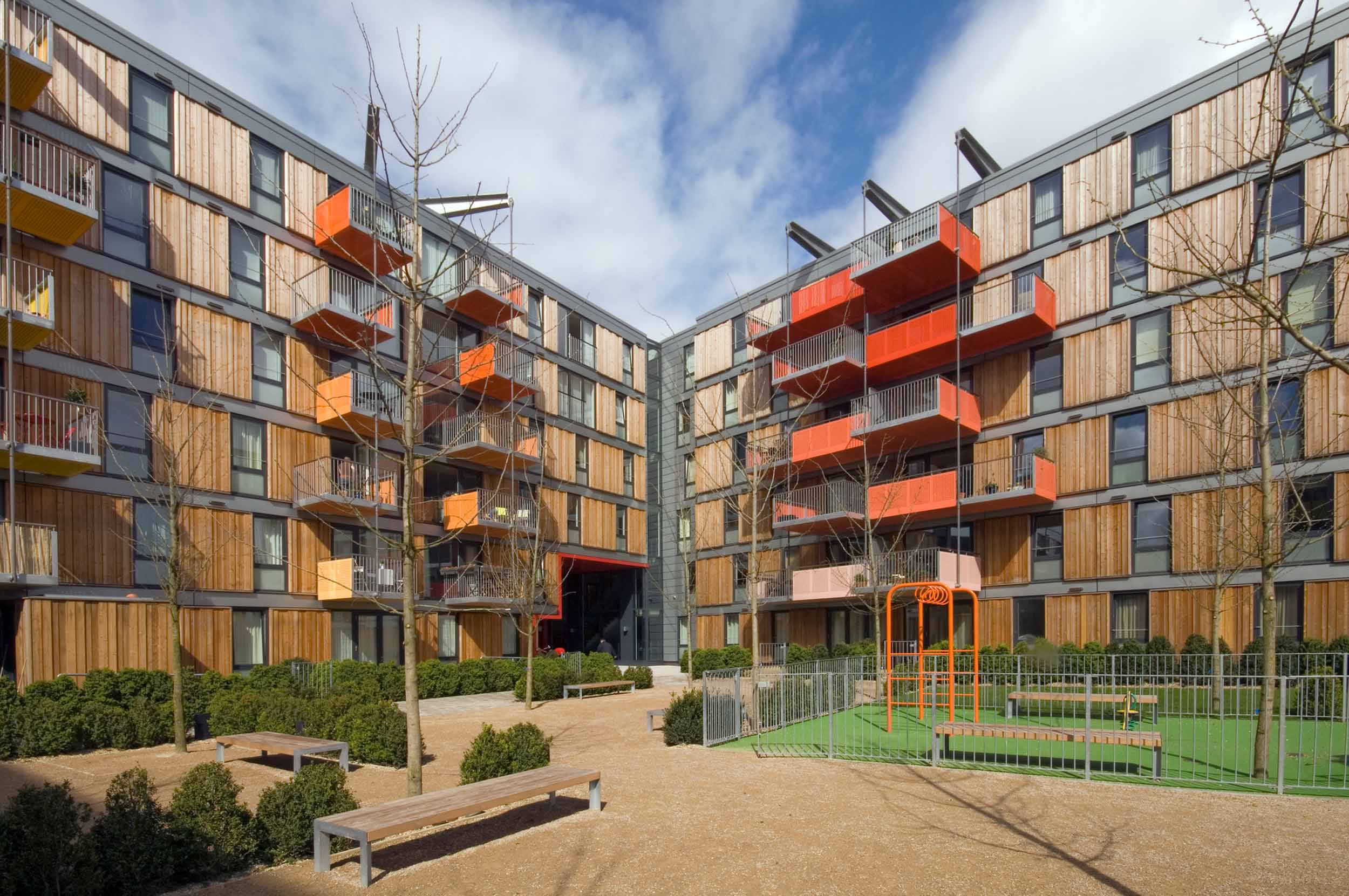
Overview of Adelaide Wharf London
Adelaide Wharf is a pioneering residential development located in Hackney, London. This award-winning project seamlessly blends modern architecture, sustainability, and social inclusivity to create a thriving urban community. Developed by First Base, designed by Allford Hall Monaghan Morris (AHMM), and built by Bovis Lend Lease, Adelaide Wharf is a testament to innovative housing solutions that cater to diverse demographics.
Nestled along the Regent’s Canal, the development comprises 147 apartments, including a mix of private apartments, key worker housing, and social housing. This mixed-tenure housing approach ensures a balanced and cohesive community where residents from different backgrounds coexist harmoniously. The project’s commitment to sustainable development further enhances its appeal, making it a landmark of responsible urban planning in London.
Architectural Design and Sustainable Features
Designed by the renowned architectural firm Allford Hall Monaghan Morris (AHMM), Adelaide Wharf is a shining example of contemporary design and urban regeneration. The architects envisioned a non-hierarchical architecture where private, social, and key worker apartments are indistinguishable from one another. This design philosophy promotes equality and inclusivity within the community.
The structure features a striking unitized façade system, which enhances energy efficiency while maintaining a sleek, modern aesthetic. Large windows allow ample natural light, reducing the need for artificial lighting and fostering a connection between indoor and outdoor spaces. The building’s U-shaped layout, which embraces a landscaped courtyard, encourages interaction among residents and improves air quality through green spaces.
Sustainable Home Improvement Lessons from Adelaide Wharf
One of the most groundbreaking aspects of Adelaide Wharf is its commitment to sustainability, which homeowners can draw inspiration from when considering home improvements. The project employs energy-efficient materials, prefabricated construction methods, and rainwater harvesting systems, making it a model for environmentally friendly home upgrades.
Energy Efficiency and Smart Insulation
Homeowners looking to improve energy efficiency can follow the example set by Adelaide Wharf by upgrading insulation with high-performance materials to regulate indoor temperatures and reduce energy consumption. Installing double-glazed windows can minimize heat loss and lower electricity bills, ensuring better temperature control throughout the seasons. Incorporating LED lighting and smart home technology can further optimize energy use, making homes both efficient and cost-effective in the long run. By implementing these sustainable techniques, homeowners can significantly enhance their living spaces while cutting down on utility costs.
Eco-Friendly Building Materials for Home Renovations
Adelaide Wharf’s use of sustainable materials is a key element of its design, and homeowners can adopt similar principles when renovating their properties. Choosing reclaimed or responsibly sourced wood for flooring and furniture ensures durability while reducing environmental impact. Using low-VOC paints improves indoor air quality by minimizing exposure to harmful chemicals. Additionally, integrating green roofs or vertical gardens can enhance insulation and contribute to a healthier living environment by absorbing pollutants and regulating indoor temperatures naturally. These eco-conscious upgrades create a more comfortable and stylish home while promoting sustainability.
Enhancing Home Interiors with Natural Light
One of Adelaide Wharf’s standout design features is its emphasis on natural light. Homeowners can replicate this approach by expanding window openings or adding skylights to allow more daylight into living spaces. Strategically placing mirrors can also help reflect natural light and make rooms feel larger and brighter. Opting for light-colored interiors further enhances brightness, creating an open and airy ambiance. These simple yet effective improvements not only reduce reliance on artificial lighting but also contribute to overall well-being and a more inviting home environment.
Landscaping and Green Spaces in Home Improvement
The development’s landscaped courtyard not only serves as a communal gathering space but also improves air quality and promotes well-being. Homeowners can incorporate similar green living principles by designing an outdoor garden or patio to create a relaxing retreat. Using native plants that require less maintenance and water can enhance the sustainability of the landscape while preserving local biodiversity. Incorporating small water features such as ponds or fountains can elevate the aesthetic appeal of the garden while adding a sense of tranquility. These elements bring nature closer to home and make outdoor spaces more enjoyable.
Smart Space Utilization for Urban Homes
Adelaide Wharf London demonstrates how thoughtful design can maximize space efficiency without sacrificing style. Homeowners living in compact spaces can take inspiration from this by integrating multi-functional furniture, such as beds with storage compartments or foldable desks, to optimize available space. Built-in shelving and customized storage solutions help maintain organization and declutter living areas. Open floor plans that create a seamless flow between rooms enhance flexibility in home design, making interiors feel more spacious and functional. These space-saving techniques ensure that homes remain stylish while meeting the practical needs of modern urban living.
Awards and Recognitions for Sustainable Innovation
Adelaide Wharf has received multiple accolades for its innovative design and social impact. It was honored with the Housing Design Awards, recognizing its exceptional architectural quality and thoughtful urban planning. Additionally, the project won the prestigious RIBA National Architecture Award, further cementing its status as one of London’s finest residential developments. These awards underscore Adelaide Wharf’s contribution to the city’s housing landscape and its role in setting new benchmarks for sustainable, inclusive design.
Home Improvement Inspired by Adelaide Wharf
By taking inspiration from Adelaide Wharf’s design principles, homeowners can adopt sustainable home improvement techniques that enhance energy efficiency, maximize space, and integrate eco-friendly materials. Whether renovating a single room or an entire home, prioritizing sustainability can lead to a healthier, more efficient, and aesthetically pleasing living environment.
FAQs
1. What makes Adelaide Wharf a model for sustainable home improvement?
Adelaide Wharf integrates energy-efficient materials, smart insulation, and sustainable construction techniques, offering valuable insights for homeowners looking to make eco-friendly improvements.
2. How can I incorporate Adelaide Wharf’s design principles into my home?
You can take inspiration by using large windows for natural light, reclaimed materials for renovations, and energy-efficient insulation to reduce environmental impact.
3. What are some eco-friendly materials I can use for home renovation?
Consider bamboo flooring, reclaimed wood, low-VOC paints, and recycled metal fixtures to make your home more sustainable and stylish.
4. How can I create a more energy-efficient home like Adelaide Wharf?
Invest in smart home technology, LED lighting, rainwater harvesting, and improved insulation to enhance your home’s efficiency.
5. Does incorporating greenery at home really make a difference?
Yes! Indoor plants, green roofs, and outdoor gardens help improve air quality, regulate indoor temperatures, and create a calming living environment.
Conclusion
Adelaide Wharf London is more than just a residential development—it is a shining example of how sustainability, smart design, and energy efficiency can come together to create eco-friendly, modern living spaces. By implementing sustainable construction methods, maximizing natural light, using eco-friendly materials, and incorporating green spaces, homeowners can significantly improve their homes while reducing their carbon footprint. Whether you’re renovating a single room or planning a major home improvement project, Adelaide Wharf’s innovative approach provides valuable inspiration for creating a sustainable and functional living space.