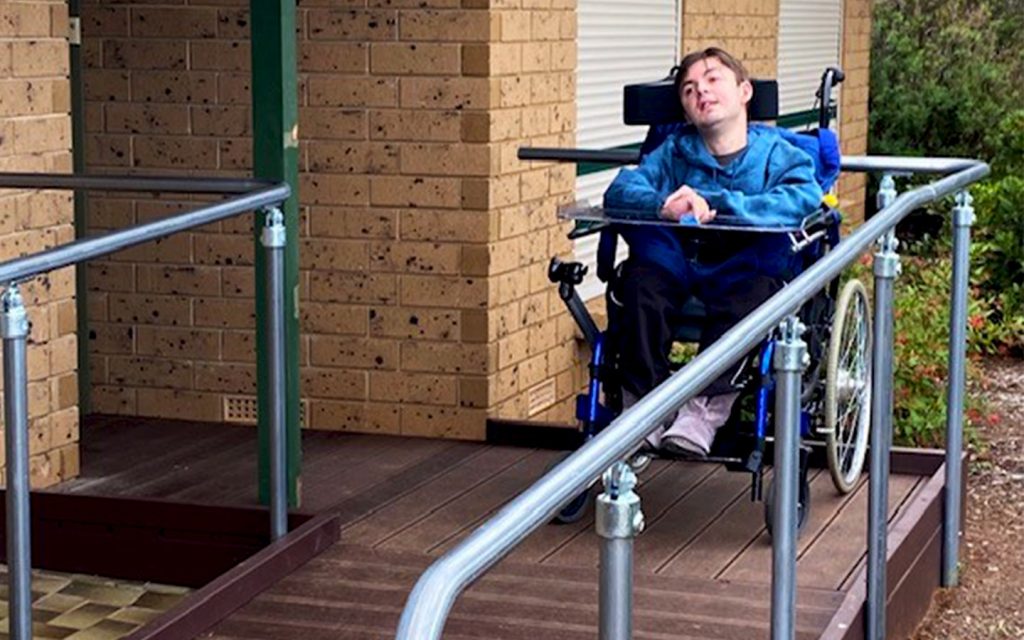
Introduction: In the realm of home accessibility, securing a free wheelchair ramp can be a life-changing endeavor. This article explores the various avenues through which individuals can acquire these ramps without financial strain. Home modifications like wheelchair ramps are crucial for enhancing the quality of life for those facing mobility challenges. We’ll delve into government programs, non-profit organizations, and other alternatives that provide assistance to individuals in need.
Government Assistance Programs: Two federal programs stand out when it comes to providing financial assistance for wheelchair ramps:
- Medicare: Medicare primarily serves seniors aged 65 and above. While it doesn’t typically cover the cost of wheelchair ramps, exceptions can be made if a physician deems the ramp medically necessary. Some private insurers offer Medicare Advantage plans that may include coverage for such equipment.
- Medicaid: Medicaid, similar to Medicare, offers assistance with medical expenses. While it doesn’t directly fund ramp construction, it can provide funding if a physician recommends the ramp as medically necessary. In certain cases, Medicaid may support home modifications to prevent seniors from having to move to nursing homes.
Non-Profit Organizations: Several non-profit organizations are dedicated to improving the lives of individuals with disabilities by offering free wheelchair ramps. Here are some notable ones:
- Habitat for Safe Seniors: This organization assists low-income seniors with physical disabilities in making their homes safer and more accessible. Volunteers conduct site visits to assess the necessity of a ramp and estimate the materials and labor required for the project. The program primarily targets individuals aged 55 and over and also provides other safety improvements like plumbing repairs and outdoor lighting.
- Habitat for Humanity: Habitat for Humanity’s “A Brush With Kindness” program provides exterior repairs to homeowners, including veterans who meet specific qualifications. While they cover various repairs, they can also help with wheelchair ramp installations if needed.
- Texas Ramp Project: This 501(c)(3) organization focuses on enhancing accessibility for low-income individuals with disabilities. Referrals from physicians help identify recipients and certified surveyors design ADA-compliant ramps. Volunteers from the Texas Ramp Project then install these ramps to improve mobility.
- Wounded Warrior Project: While primarily aimed at helping veterans transition to civilian life, the Wounded Warrior Project provides support for veterans in various aspects, including accessibility modifications. They can assist veterans in navigating the process of accessing their VA benefits.
- AccessABILITY Program (formerly Push America): This charity program by Pi Kappa Phi offers grants of up to $1,000 to cover material costs for accessibility projects. Additionally, the Ability Experience program holds fundraising events to support its mission.
The Importance of Wheelchair Ramps for the Elderly: Wheelchair ramps play a crucial role in enhancing accessibility for the elderly. Many homes in the United States have stairs that pose significant risks to seniors. Approximately 25% of falls among the elderly result in injuries, including severe hip fractures. Wheelchair ramps can prevent these accidents and enable older adults to live independently. They also facilitate quick access for emergency responders, ensuring timely medical care.
Frequently Asked Questions:
- Does Medicare cover the cost of access ramp projects? Medicare typically doesn’t cover the financial cost of wheelchair ramps, but exceptions can be made if a physician deems the ramp medically necessary.
- What is the average cost of wheelchair ramp installation? The cost of ramp installation can vary widely depending on factors such as materials, labor rates, and design. On average, it may range around $2,093 according to HomeAdvisor.
- Do ramp organizations provide portable ramps? Most ramp programs assess a recipient’s property before deciding whether to build a small ramp permanently or temporarily, depending on the individual’s needs.
- What is the ADA-compliant slope for a wheelchair ramp? According to ADA regulations, the standard slope for a wheelchair ramp should be 1:12, meaning there should be 12 inches of ramp length for every inch of vertical rise.
Conclusion: Securing a free wheelchair ramp can significantly improve the daily lives of individuals facing mobility challenges, particularly those with limited financial resources. These social service programs and non-profit organizations play a vital role in making accessibility a reality for everyone, ensuring that the cost of a ramp doesn’t become a financial burden.