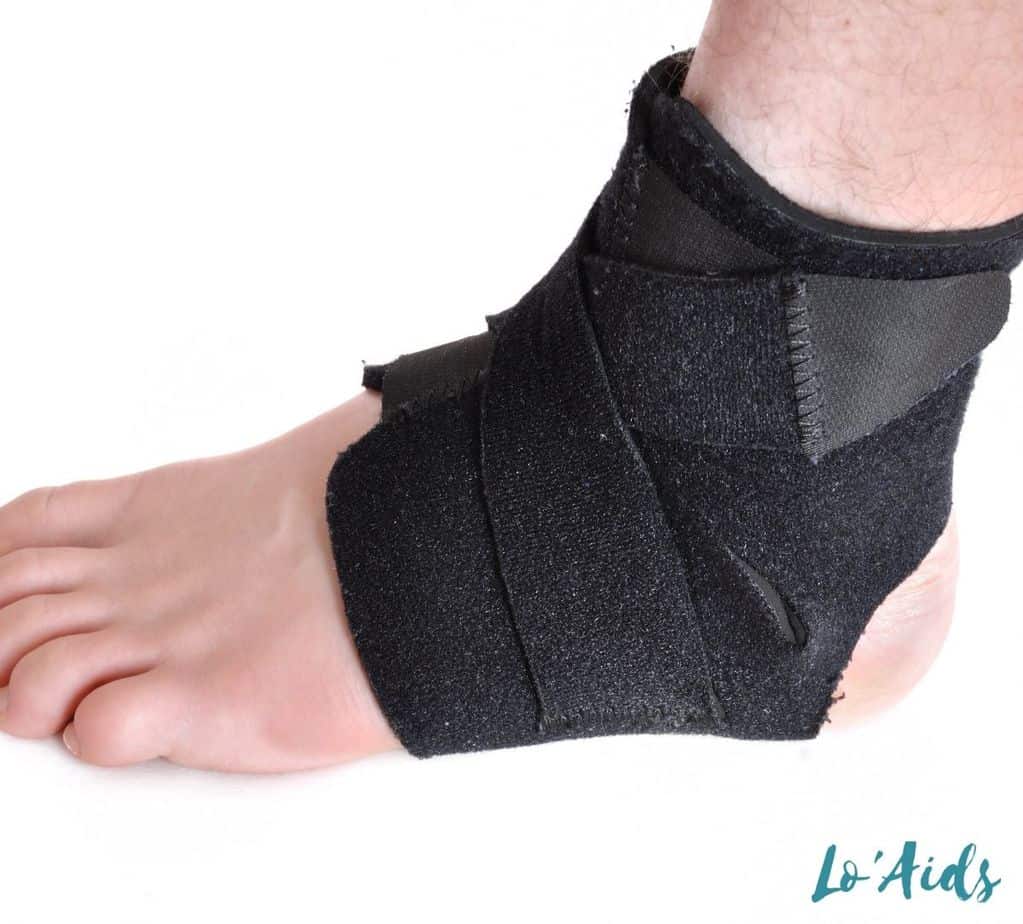
Ankle injuries can be painful and challenging to manage, but with the right guidance, you can effectively use an ankle brace to aid in your recovery. Whether you’re a patient or a caregiver, here are eight easy steps to correctly put on an ankle brace:
Step 1: Determine Your Type of Ankle Brace Ankle braces come in various types, such as soft sleeves, semi-rigid braces with straps, and rigid braces. The choice depends on your specific injury and the level of compression and support needed.
- Soft sleeves are suitable for mild swelling and minor sprains.
- Semi-rigid and rigid braces are recommended for more severe cases where ankle stability is crucial.
Step 2: Read the Product Description Always start by reading the manufacturer’s product information and instructions. This step ensures you understand how to use the specific brace correctly, minimizing the risk of further injury.
Step 3: Consider Sock Placement Decide whether you should wear a sock over or under the brace. Some manufacturers recommend wearing socks over the brace for better compression and heat retention, while others suggest wearing an athletic sock underneath for added comfort.
Step 4: Prepare the Brace If you have a semi-rigid or rigid brace, unfasten all Velcro straps and loosen the adjustable lace enough to comfortably fit your foot inside. For soft sleeves, simply slip them over your foot.
Step 5: Slide Your Foot In Place your foot into the brace while ensuring the brace’s tongue rests on top of your foot, positioned between your skin and the laces.
Step 6: Lace and Secure Maintain your injured ankle at a 90-degree angle. Begin lacing up the brace tightly, as if you’re putting on a boot. Secure the Velcro straps following these steps:
- Take the inside strap and bring it across the top of your foot and under the heel, then secure it on the opposite side of the ankle.
- Repeat the same process with the outside strap.
- Check that the straps are snug but not too tight, allowing proper blood flow.
- Secure the middle strap over the two Velcro ones and the laces.
- Depending on your daily activities, you may need to adjust the tension periodically.
- For adjustable ankle braces with Velcro, crisscross the straps following the same steps.
Step 7: Put on Your Shoes After adjusting the brace for a comfortable fit, gently slide your foot, with the brace, into your shoe. Be cautious not to disturb the brace’s placement during this process. Consider using a shoehorn if needed, especially for elderly patients who may have difficulty fastening their shoes.
Step 8: Consult a Specialist While wearing an ankle brace, allow a few days for potential improvement in your symptoms or pain relief. If you experience intense swelling, numbness, or increased pain, consult your doctor promptly.
Ankle braces are valuable tools for managing various ankle injuries, including sprains, chronic instability, stress fractures, plantar fasciitis, and Achilles tendonitis. When worn correctly, they can enhance stability and facilitate the healing process.
In addition to these steps, remember these essential tips:
Tip 1: Choose the Right Size Brace Select a brace that fits snugly without cutting off circulation. Follow the manufacturer’s sizing instructions for an accurate fit.
Tip 2: Maintain Brace Hygiene Clean your brace regularly to prevent bacterial buildup and odor. Wash fabric braces without metal components and wipe down plastic/metal ones with a damp cloth.
Tip 3: Opt for Appropriate Footwear Wear shoes that offer support and comfort. Sneakers with laces are often recommended, as they allow for adjustment to your comfort level.
Tip 4: Rest and Recover While a brace can reduce discomfort during activity, remember to rest and allow your ankle time to heal properly.
Tip 5: Avoid Overuse Do not wear your brace for longer than necessary, as excessive use can potentially weaken ligaments and joints over time. Consult with a specialist regarding the appropriate duration for brace use.
In conclusion, when used correctly, ankle braces can be valuable aids in managing ankle injuries. Consult with a healthcare professional to determine if a brace is suitable for your specific situation and follow these steps and tips for a safe and effective recovery.