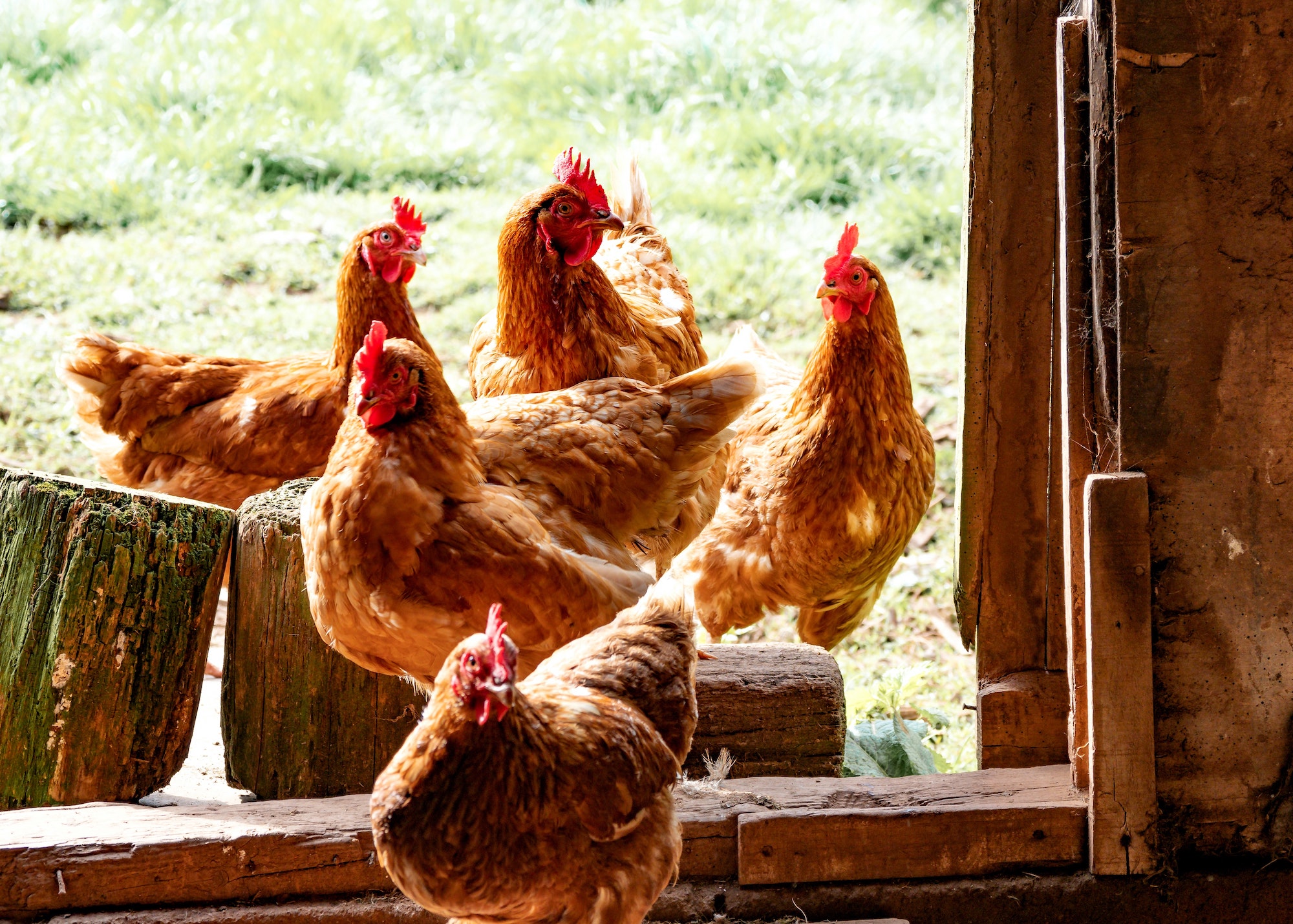
It’s fair to say that raising backyard chickens is having a moment in the spotlight. Access to fresh, hearty, nutrient-rich eggs, paired with consumer interest in farm-to-fork nourishment, continue to lure farmers-to-be into adopting and raising chickens.
Whether tucked inside a small urban backyard or architected into an expansive suburban plot, chicken coops host ecosystems rich with benefits: (1) eggs with significantly more Vitamins A and E, Beta Carotene and omega-3 fatty acids compared to store-bought eggs, (2) natural pest control due to chickens eating backyard insects, and (3) nutrient-rich chicken droppings to fill compost bins.
For all the advantages of raising chickens, it seems like a win-win for anyone. But there are a few things to consider before adopting chickens.
Local Regulations for Backyard Chickens
Be a good neighbor. Before you go all in, search your city and count guidelines for backyard chickens. Zoning and ordinances vary between municipalities. They detail requirements for noise control, pest control, permitting, distance from streets and other dwellings, size of the coop, and number of chickens. In most cities, hens must be kept in their coop at all times (not free-range) and roosters are not allowed at all.
Which Breed to Choose
Do you prefer white or brown eggs? Or a rainbow of muted greens, creams and pinks? Do you like medium-grade or large eggs? Poultry breeds come in a variety of shapes, sizes, and colors to produce just the variety you crave.
The best egg-laying chickens reliably produce around 250 eggs a year for two to three years. Yes, about one egg per day. Residential chicken farmers can purchase baby chicks for between $3.00 and $5.00 and egg-laying hens can cost between $20.00 and $50.00 at a local farm and feed store. Of course, fancier breeds of chicks and hens come at a premium cost.
Cost to Raise Chickens
Chickens are sociable creatures. The happier the chicken, the more eggs it will produce. Plan on two or more chicks to satisfy social needs, and three chickens per two members of your household to target your food needs (for example, six hens for a family of four fits well).
On the high end, raising backyard chickens will cost about $69.00 per month for five hens. This includes the cost of chicks, food, bedding, a high-quality coop and coop supplies. Food alone costs less than $30 per month for a flock of five chickens.
Acquiring or building a coop demands the biggest up-front investment. A handy urban farmer can DIY their own coops from scratch or from a kit for about half the cost of a pre-built one. Prefabricated coops range in size, material and aesthetic and cost anywhere from $200.00 to $8,000.
Daily Needs to Raise Chickens
Chicken-keeping demands about 15 to 30 minutes per day. Feeding, checking for eggs, cleaning (or replacing) the bedding, and ensuring security and temperature of the coop can be broken up throughout the day. Of course, be prepared to find a “sitter” to take over daily chores if you go out of town.
Years to Raise Chickens
Consider chicken farming a long-term commitment, more than a romantic hobby. When the initial infatuation of building a Pinterest-worthy coop for your feathered friend wears off, this challenging-yet-rewarding chore is a years-long process. On average, chickens live eight years. Hens will lay fewer eggs as they age with the most productive egg-producing years being in the first two or three.