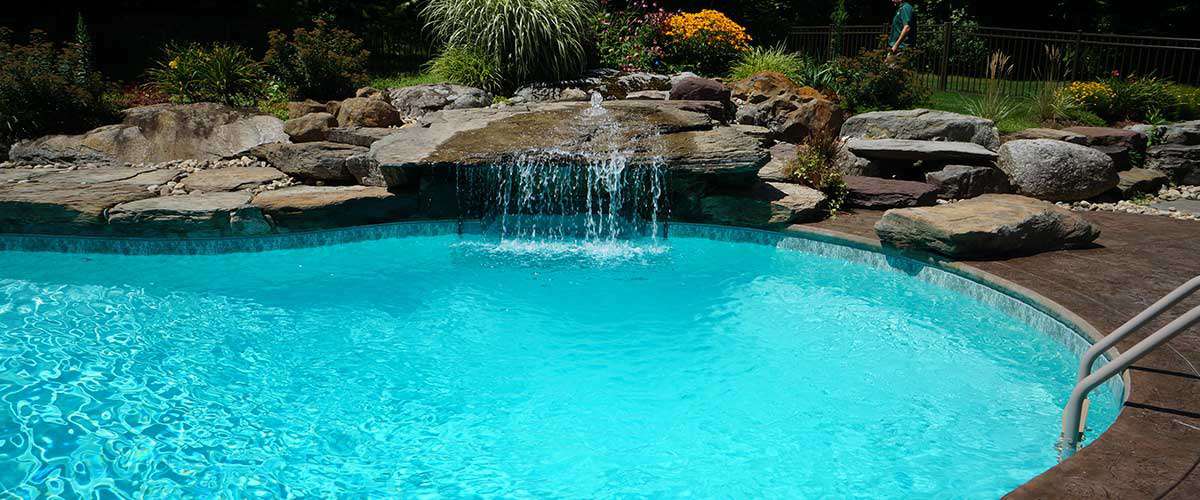
Having a swimming pool in the backyard is amazingly glamorous. It is simple to give into daydreams of adopting invigorate fitness routines, spending a long afternoon lounging on the poolside, and hosting a few weekend parties.
However, in those daydreams, one important element of owning a swimming pool is normally forgotten – maintenance.
It can easily succumb to various less-than-luxurious conditions without the right pool maintenance, including algae build-up, broken filters, and green water.
If you don’t prefer using chemicals, you can opt for a pool alternative to chlorine to treat your swimming pool. Some of the alternatives you can consider are:
Purifying Plants
Most homeowners looking for a natural remedy for cleaning and treating their swimming pools are usually plant fanatics.
Using plants like pond lilies can help you oxygenate your pool and limit algae growth. Plants are capable of converting bacteria into food, allowing you to get rid of bad bacteria from your swimming pool.
Baking Soda
Many individuals know that chlorine is a helpful chemical in keeping the water of a swimming pool safe. However, adding a lot of chlorine may lower your swimming pool’s pH and total alkalinity.
When alkalinity and pH decrease, it will create negative impacts, ranging from stinging eyes for every swimmer to itchy skin and corrosion of your pool liner or ladders.
But adding baking soda will increase both the alkalinity and pH, improving clarity and stability. Most commercial swimming products use baking soda as their major active ingredient for increasing alkalinity.
Hydrogen Peroxide
This is a natural alternative for sanitizing the swimming pool. Hydrogen peroxide is basically a combination of oxygen and hydrogen, which is usually used as a disinfectant and antiseptic.
To clean your swimming pool, you will just need around 36% of the solution, which you may buy online or from one of the natural food stores near you.
Non-Chlorine Shock
This is perfect for oxidizing pollutants, such as body oil, urine, and sunscreen. Oxidizing these pollutants can reduce chloramine levels (CC), enabling chlorine to work effectively.
In addition, non-chlorine shock is also perfect for indoor swimming pools or a pool with a high bather load. Since indoor swimming pools don’t have direct contact with sunlight, you will have no option but to depend on non-chlorine shock.
Muriatic Acid
After every five years, you may need to consider acid washing your swimming pool, especially when it is made of gunite or concrete. In order to achieve this, you may need to use muriatic acid.
You may use this acid to decrease the alkalinity of your swimming pool water. After all, it is cheaper than alkalinity decrease.
But know that the acid is absolutely what its name says – the acid. So it may result in injuries if you don’t handle it properly. Make sure you always wear eye protection and acid-resistant gloves.
Closing Remarks!
Whether you want to lounge away or practice dolphin dives, swimming is among the perfect pleasures during summer.
Without an arsenal of chemicals, you will be able to create an oasis in your backyard and even thwart sultry dog days.